
The Value of Craft in a Mass-Produced World
Mass production has made it possible to create things more quickly, consistently and at a greater scale than ever before.
Within kitchen design, this has brought an almost endless choice of styles, colours and configurations. Yet despite the appearance of variety, many kitchens still begin with the same predetermined dimensions, standard components and fixed design options.
For some homes, this approach works perfectly well. But when a kitchen needs to respond to the individual character of a property, the architecture of a room or the way its owners genuinely live, working within a standard system can begin to introduce compromise.
This is where the value of craft becomes particularly clear.
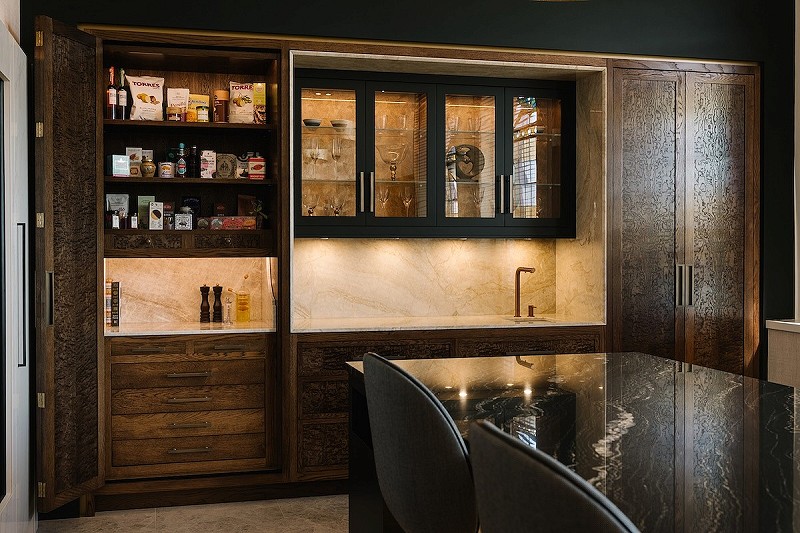
Designed Around the Space
No two homes are exactly the same.
Even rooms with similar proportions can differ in their architecture, natural light, ceiling height, sightlines and relationship with the rest of the property. Period homes may feature uneven walls, original beams or unusual alcoves, while contemporary spaces often require cabinetry to align precisely with large areas of glazing or wider architectural details.
A bespoke kitchen begins with the room as it is, rather than attempting to make the room fit a predetermined range of furniture.
Cabinetry can be made to the proportions the space requires. Awkward areas can be used intelligently, storage can extend to the right height and individual pieces can be designed to sit naturally within the architecture.
The result is a kitchen that feels as though it belongs to the home, rather than one that has simply been installed within it.
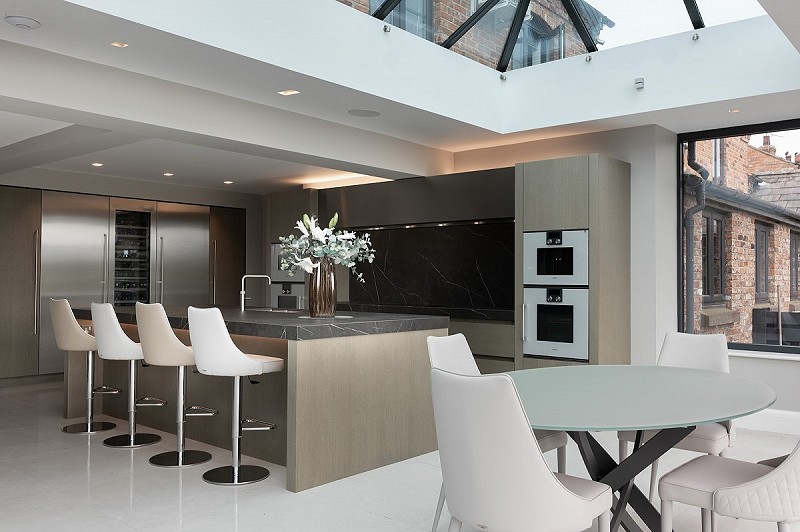
Made for the Way You Live
The value of bespoke design is not only found in how a kitchen looks. It can also be felt in how naturally it supports everyday life.
Every household uses its kitchen differently. One client may need generous preparation space and carefully positioned appliances, while another may place greater importance on entertaining, concealed storage or creating a comfortable place for the family to gather.
These individual requirements cannot always be met by choosing from a set of standard configurations.
By understanding how the space will be used, furniture can be designed around individual routines and priorities. Drawers can be made to suit what they will hold. Frequently used appliances can be positioned precisely where they are needed. A pantry, breakfast cupboard or drinks cabinet can be created around the client, rather than selected from a catalogue.
These may appear to be small decisions, but together they determine how effortless the kitchen feels in daily use.
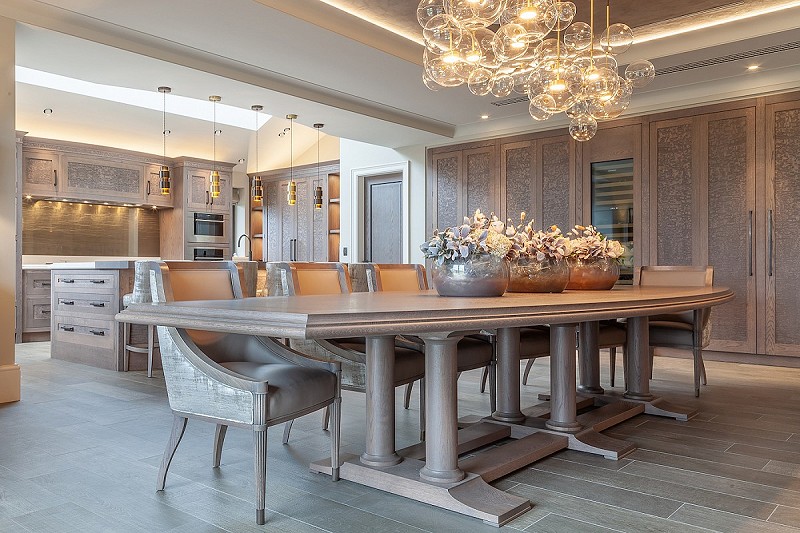
Craft That Can Be Seen and Felt
Craftsmanship often reveals itself through details that are easy to overlook at first.
It can be seen in the consistency of the lines across a run of cabinetry, the way materials meet, the balance of each proportion and the quality of the finish. It can also be felt in the weight of a door, the movement of a drawer and the confidence with which each element has been put together.
At David Lisle, our kitchens are designed and made by us at our own workshop in Macclesfield. This close relationship between the design studio and workshop allows every detail to be developed as part of one continuous process.
An idea does not need to be altered simply because it falls outside a standard product range. Instead, the furniture can be made to deliver exactly what the design and room require.
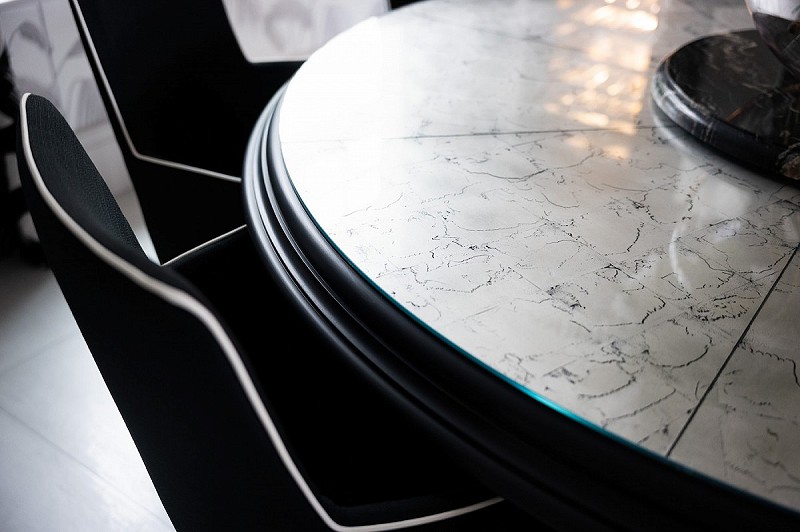
Made With the Future in Mind
A kitchen is one of the most used spaces in a home, and its value should extend far beyond the point of installation.
Making furniture specifically for a project allows decisions to be guided by longevity as well as appearance. Materials, construction methods and finishes can be selected according to how the kitchen will be used and how it needs to perform over time.
There is also a visual longevity to consider. When a kitchen is designed around the home and its owners, rather than shaped primarily by a passing trend, it is far more likely to continue feeling relevant in the years ahead.
This does not mean avoiding personality. Quite the opposite. It means creating something individual enough that it does not depend on what is currently fashionable to give it value.
Closing Thoughts
In a mass-produced world, true individuality has become increasingly rare.
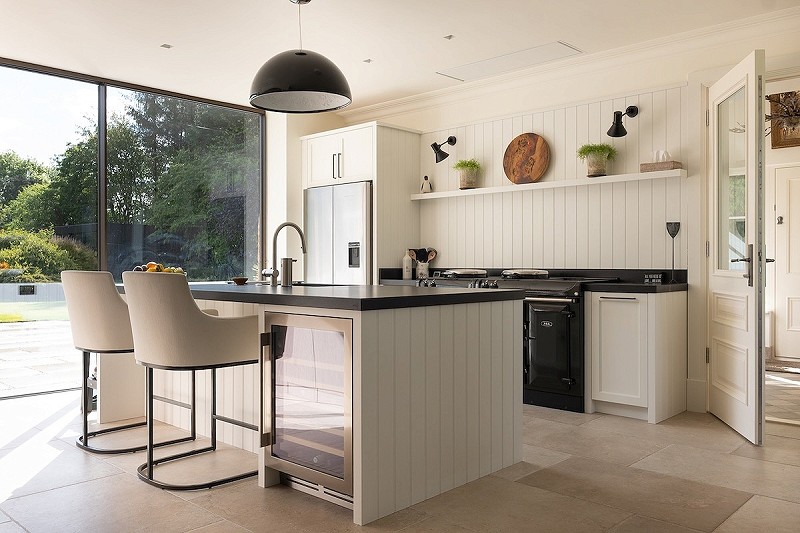
The value of craft lies in the freedom to create something for one particular home and one particular client. It allows the proportions, materials, functionality and finer details to be developed together, without being confined by a standard template.
The finished kitchen may appear calm and effortless, but behind that simplicity sits a considerable amount of thought, skill and care.
Ultimately, choosing a bespoke kitchen is not simply about having something different. It is about having something that fits properly, works naturally and feels entirely at home in its surroundings - because it was designed and made to belong there.

