
AI Can Create an Image. But Can It Design a Kitchen?
Artificial intelligence has changed the way we visualise ideas.
Today, you can describe your dream kitchen in a few sentences and, within seconds, generate an image that looks remarkably convincing. Change the cabinetry. Try a different stone. Make the room lighter. Add an island. Change the architectural style. Almost instantly, another version appears.
For homeowners beginning to think about a new kitchen, this can be incredibly useful.
It can help you explore styles you may not previously have considered, understand which colours and materials appeal to you and begin visualising ideas that have, until now, existed only in your imagination.
But there is an important distinction to make.
Creating an image of a kitchen and designing a kitchen are two very different things.
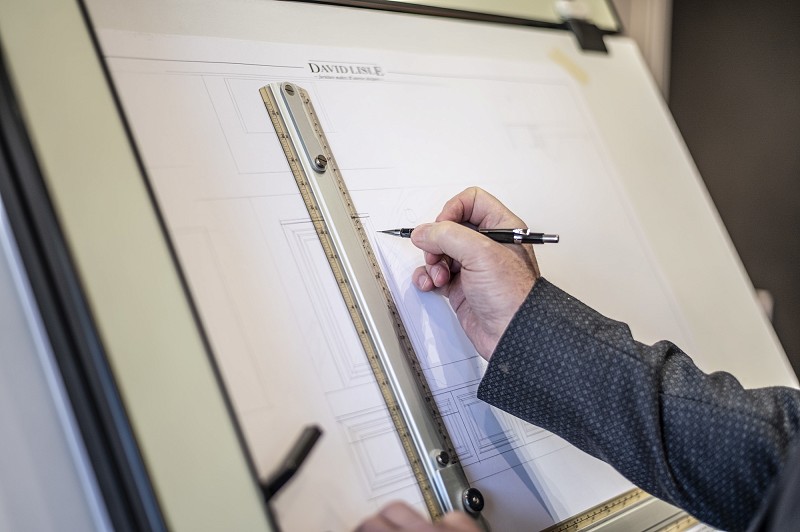
A Beautiful Image Is a Starting Point
We have always encouraged clients to bring inspiration to the design process.
It might be photographs saved from magazines, images discovered online, a particular material they’ve seen elsewhere or details from another of our projects. AI-generated imagery can simply become another part of that process.
If you’ve created an image that captures something you love, bring it with you.
The interesting part is understanding why you love it.
It might be the proportions, the combination of materials, the relationship between the cabinetry and architecture or simply the feeling the room creates. From there, we can begin translating those ideas into something entirely individual to you and your home.
Because inspiration is only the beginning.
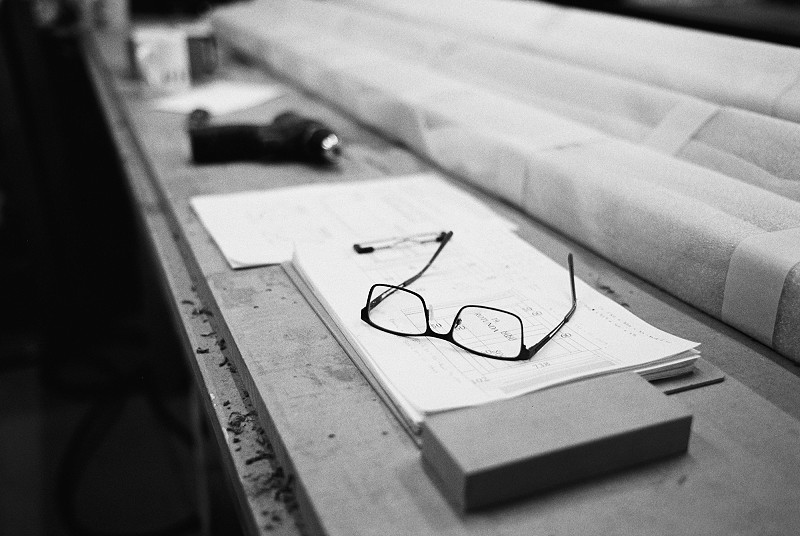
Designing for a Real Space
An AI-generated room doesn’t have to contend with the realities of an existing property.
A designer does.
Before a piece of cabinetry is made, there are measurements to take, architectural details to understand and countless practical considerations to resolve.
Walls aren’t always perfectly straight. Floors aren’t always completely level. Period properties bring their own characteristics, while contemporary architecture presents an entirely different set of opportunities and challenges.
Then there are windows, doors, services, appliances, lighting, ventilation and the relationship between the kitchen and adjoining spaces.
Every millimetre matters.
A visual might provide an exciting direction, but it takes experience to understand how that idea needs to adapt to work within a particular home.
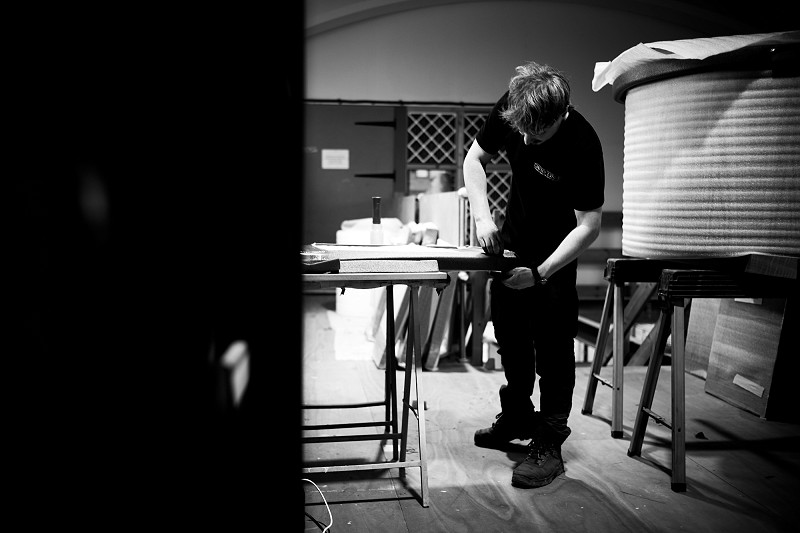
Designed Around How You Live
There is another thing an AI-generated image cannot understand: you.
A kitchen isn’t something to simply look at. It’s a room you’ll use several times a day for decades.
Understanding how somebody lives is therefore fundamental to designing it well.
How do you cook? Where do you naturally prepare food? Do you entertain regularly? Is the island somewhere for the family to gather in the morning, somewhere to serve drinks to friends in the evening, or both?
What do you need to store? Which appliances do you use most often? What do you want within reach and what would you rather have hidden away?
Sometimes the most important questions have very little to do with how a kitchen looks. They are about understanding how it needs to work for the people who will live in it every day.
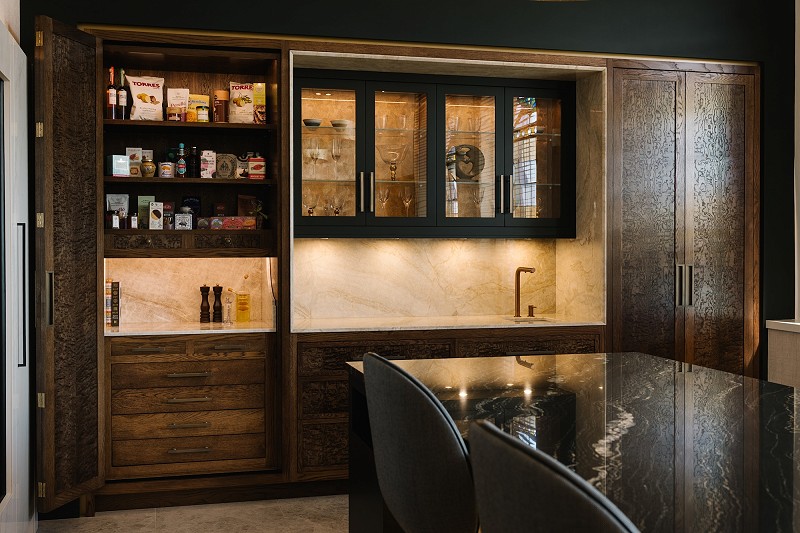
Knowing What Can Be Made
One of the biggest differences between generating an image and designing bespoke cabinetry is understanding how something will actually be made.
A detail that appears effortless on a screen may require considerable thought in reality.
The thickness of a material, the way the surfaces meet, the depth of a cabinet, the position of a handle or the integration of an appliance can influence everything around it.
This is where years of experience become invaluable.
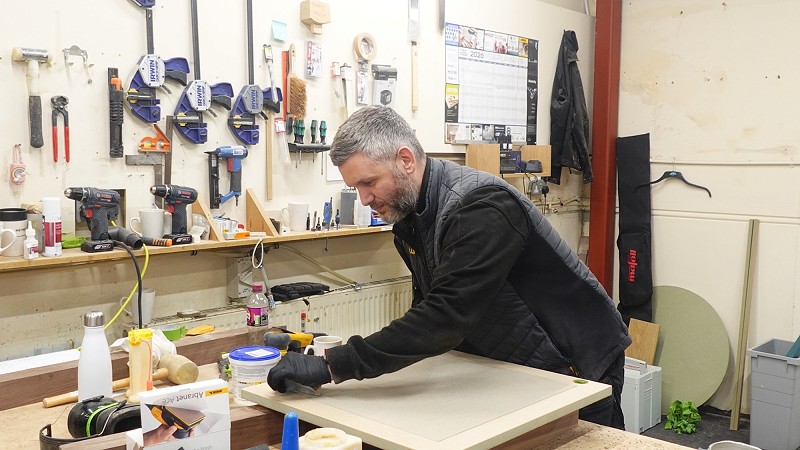
Our kitchens are designed and made by people who understand both sides of that process. Ideas aren’t developed in isolation from the workshop. There is an understanding from the outset of materials, construction and the practicalities involved in turning a drawing into a finished space.
That relationship between design and making allows us to explore what is possible while ensuring every detail can be executed properly.
Where AI Fits Into the Design Process
AI will undoubtedly continue to influence the way we explore interiors, and there is plenty to be excited about.
For a homeowner, it can be a brilliant way to experiment with ideas before speaking to a designer. It can help communicate an aesthetic that might otherwise be difficult to put into words.
But perhaps the best way to think about an AI-generated kitchen is not as a finished design, but as the beginning of a conversation.
Bring us the image.
Show us what caught your attention.
Then we can begin the process of understanding your home, your requirements and the details that will turn that initial inspiration into something that belongs uniquely to you.
Because creating the image might take a few seconds.
Creating a kitchen that works beautifully for years to come takes something AI cannot generate quite so easily: experience.

