
Hidden By Design: The Rise Of Seamless, Integrated Kitchens
For many years, luxury kitchens were designed to stand out.
Statement extractor hoods, oversized appliances and feature-heavy layouts often became the focal point of the room, with every element intentionally visible. Increasingly, however, there has been a shift towards a more integrated approach to kitchen design.
Today, many high-end homeowners are looking for kitchens that feel quieter visually, with functionality built seamlessly into the space rather than placed on display.
The result is a more refined, architectural style of kitchen where appliances, storage and functional elements are intentionally integrated into the design rather than visually dominating the space.
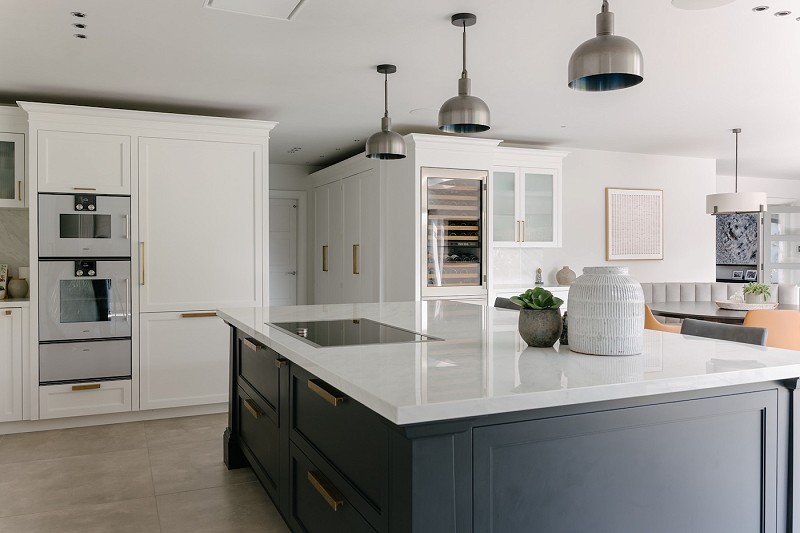
The Kitchen As Part Of The Architecture
As open-plan living has become more common, kitchens are no longer viewed as separate functional rooms.
They now sit at the centre of wider living spaces, often connected directly to dining areas, lounges and outdoor spaces. Because of this, there is a growing focus on creating kitchens that feel cohesive with the architecture of the home itself.
Integrated appliances, concealed storage and uninterrupted cabinetry help create cleaner sightlines throughout a space, allowing materials, proportions and natural light to take greater priority.
Rather than drawing attention to individual appliances or functional areas, the kitchen becomes more integrated into the wider architecture of the home.
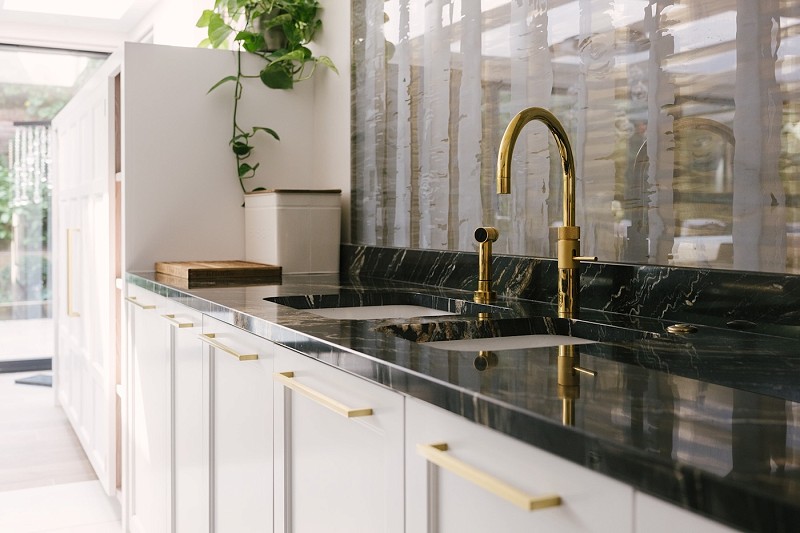
Why Integrated Design Continues To Grow In Popularity
Part of the appeal of seamless kitchens lies in their ability to reduce visual clutter without compromising practicality.
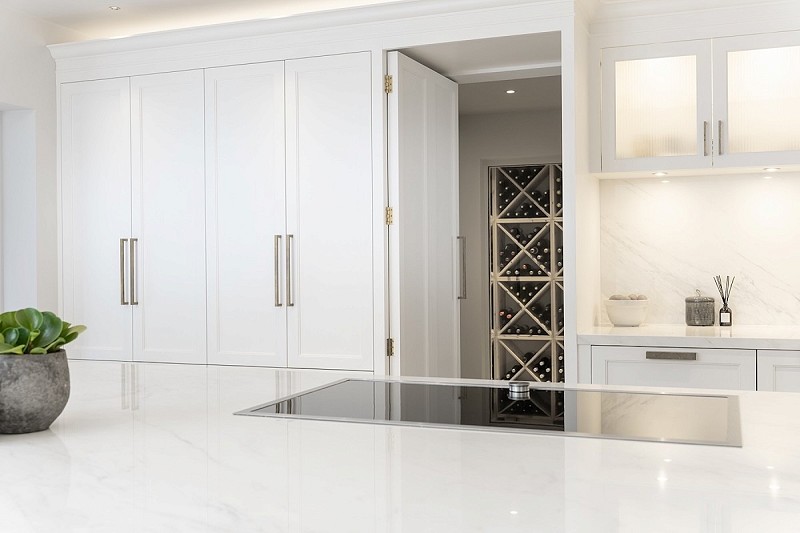
Features such as hidden utility spaces, integrated refrigeration, pocket doors and appliance cupboards allow the kitchen to maintain a cleaner appearance throughout the day, particularly within busy family homes or open-plan spaces used for entertaining.
Many clients now want kitchens that can transition naturally between cooking, hosting and day-to-day living, without the space feeling visually dominated by appliances or preparation areas.
By concealing certain functional elements, the kitchen often feels calmer, more balanced and more timeless overall.
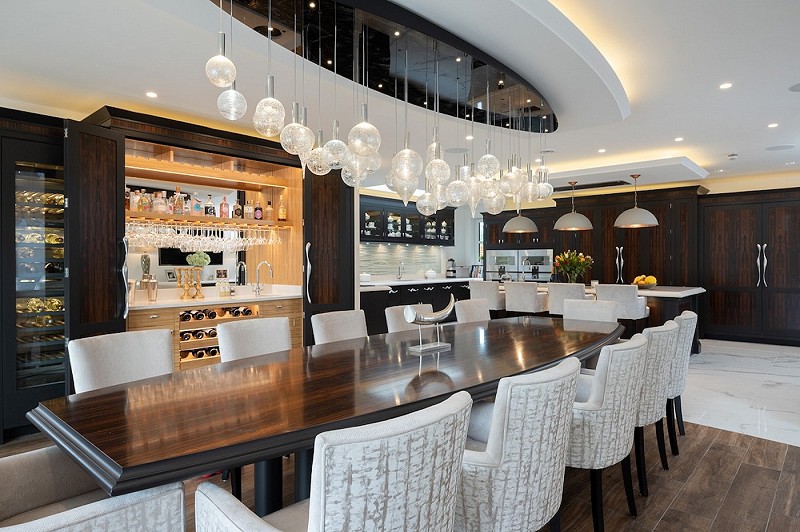
Simplicity Often Requires Greater Detail
One of the misconceptions surrounding seamless kitchen design is that simpler spaces require less consideration.
In reality, the opposite is often true.
Achieving a fully integrated kitchen requires careful planning from the earliest stages of a project. Flush cabinetry, concealed extraction, integrated lighting and uninterrupted material finishes all rely on precise detailing and proportion.
When every element is designed to integrate quietly within the space, there is far less room for inconsistency.
It is often this level of restraint and attention to detail that gives integrated kitchens their refined appearance.
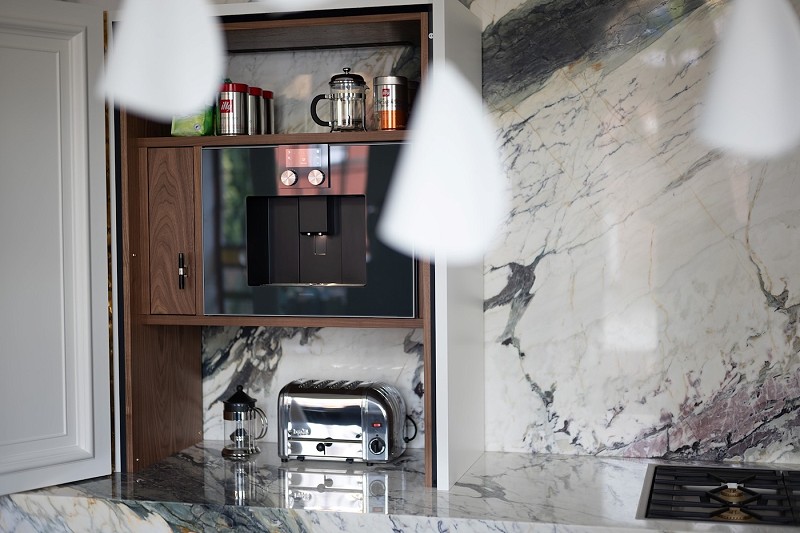
Hidden Functionality Without Compromising Practicality
Although many elements are concealed visually, functionality remains central to the design.
Features such as breakfast cupboards, hidden charging points, integrated storage systems and walk-in pantries allow kitchens to remain highly practical while maintaining a cleaner overall aesthetic.
The goal is not to remove functionality from the kitchen, but to incorporate it more discreetly into the overall design.
When approached carefully, hidden-by-design features can improve both the appearance and usability of a kitchen without making the space feel overly minimal or impractical.
Closing Thoughts
While kitchen trends continue to evolve, seamless integrated design reflects a broader move towards spaces that feel more considered and visually balanced over time.
Rather than relying on features designed to immediately attract attention, many homeowners are now investing in kitchens built around proportion, material quality and long-term practicality.
In many cases, the most refined kitchens are the ones where functionality is integrated so seamlessly into the design that it never competes with the space itself.

