
Spring Reset: The Importance of Natural Light in Kitchen Design
There is always a noticeable shift as the seasons begin to change.
Mornings feel lighter, evenings stretch further into the day, and spaces that once felt comfortable can start to feel heavier than they should. It’s often at this point that people begin to reassess their homes - not with the intention of making significant changes, but with a sense that something could feel different.
In the kitchen, that shift is often led by light.
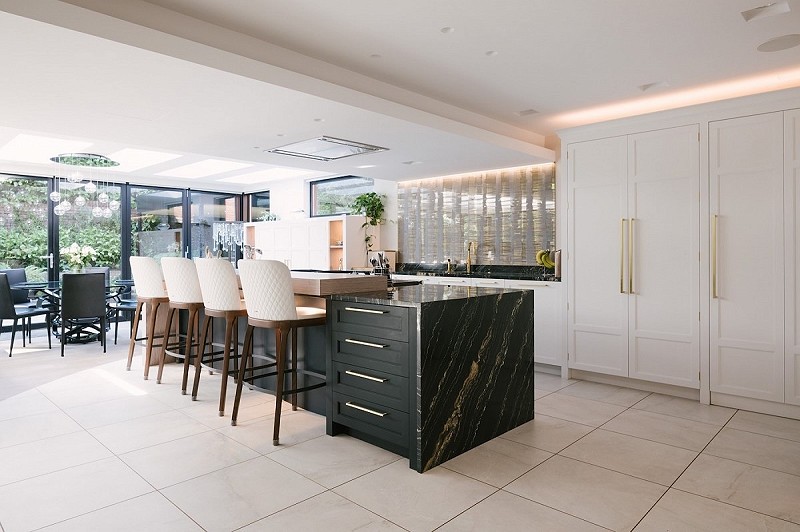
Letting Light Lead the Design
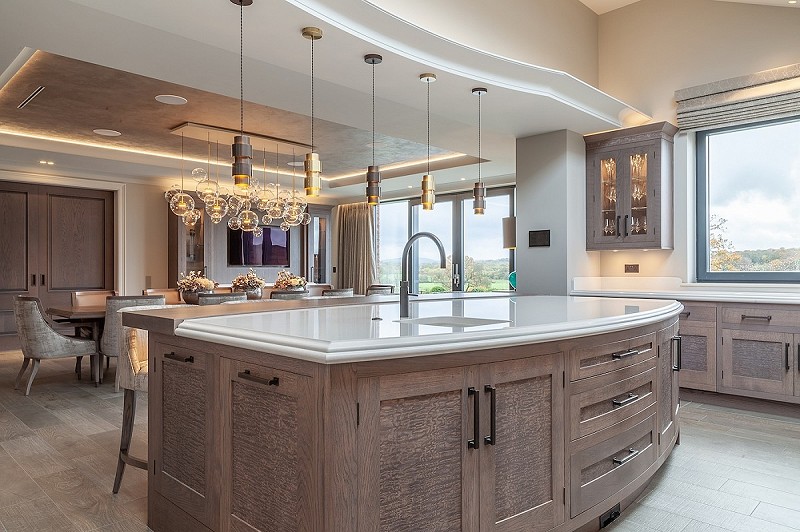
Natural light has a quiet but defining influence on how a kitchen is experienced. It shapes the way materials are perceived, softens or sharpens colour, and alters the atmosphere of the space as the day moves on.
At David Lisle, light is not something to be worked around, but something to design with from the outset. The orientation of the room, the positioning of key elements, and the relationship between cabinetry, surfaces and openings are all considered in response to how light enters and moves through the space.
When this is resolved properly, the kitchen begins to feel more open and balanced, without the need for additional features or intervention.
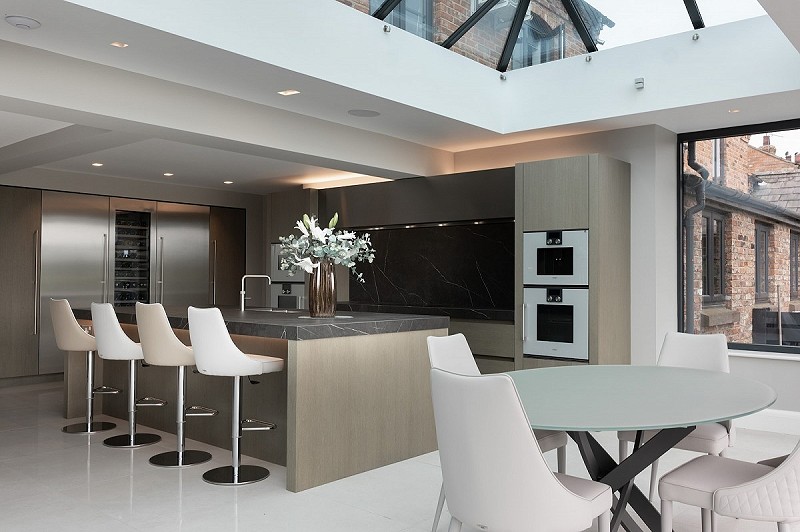
Creating Openings Without Changing the Footprint
A kitchen does not need to be extended to feel more open. In many cases, the sense of openness comes down to how the space is arranged and how visual weight is managed throughout the room.
Strong contrasts, overly dominant materials, or interruptions in the flow of surfaces can cause a space to feel more enclosed than it actually is. By refining these elements - simplifying finishes, allowing materials to sit more comfortably alongside one another, and reducing unnecessary visual breaks - the room can begin to feel lighter and more expansive.
At David Lisle, these decisions are made carefully, ensuring that openness is achieved without losing the depth, quality, and presence that define the space.
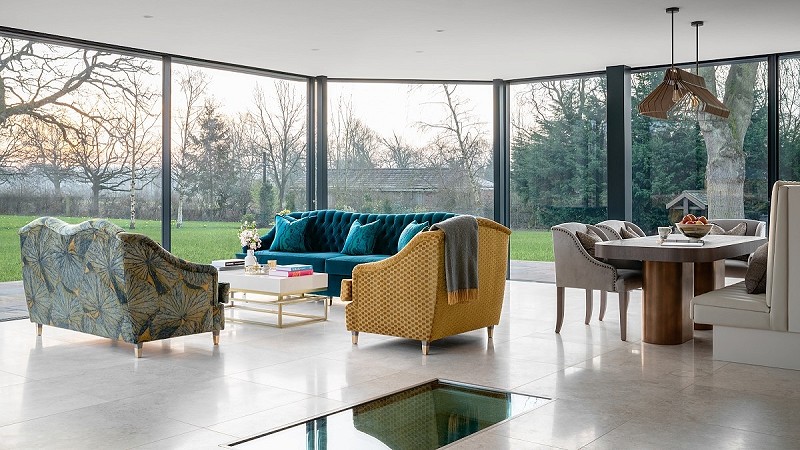
Subtle Changes That Shift the Experience of the Space
A seasonal reset does not require a complete redesign. More often, it is the quieter, more considered adjustments that have the greatest impact on how a kitchen feels.
Introducing lighter textures, reconsidering how finishes respond to changing light, and refining how surfaces are used on a daily basis can all contribute to a noticeable shift in atmosphere. These changes are not decorative in the traditional sense, but responses to how the space is experienced at different times of year.
When approached in this way, the kitchen feels refreshed, but still entirely consistent with the rest of the home.
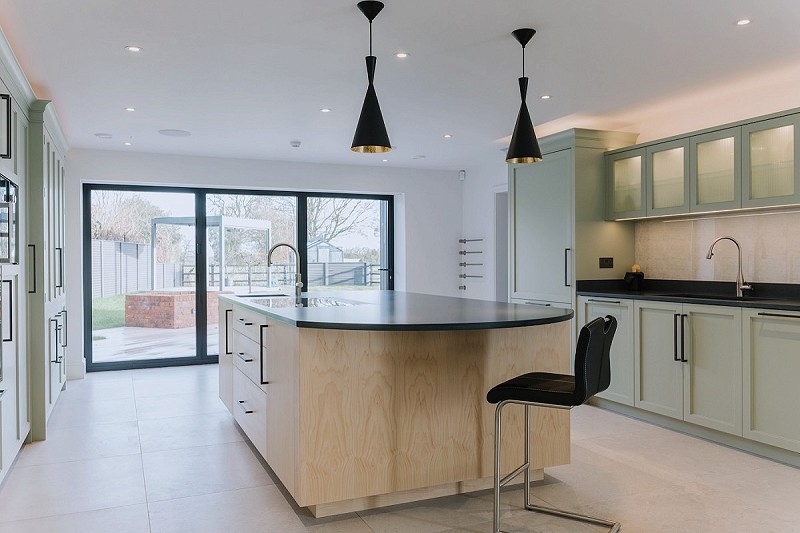
A Kitchen That Evolves With the Seasons
The most successful kitchens are not static. They respond naturally to the way they are used and experienced throughout the year.
In the lighter months, they feel more open, more connected, and more expansive. As the seasons shift, they offer warmth and enclosure without ever feeling restrictive.
This is not achieved through constant change, but through a design that has been resolved properly from the beginning.
Closing Thoughts
At David Lisle, change is not always about starting again. Often, it is about seeing the space differently and understanding how it can work more effectively with what already exists.
By considering how light interacts with the room, refining how the space is used, and making adjustments that feel natural rather than forced, it is possible to transform how a kitchen feels without undertaking a full redesign.
When a space has been designed with this level of thought, even the smallest changes can have a meaningful impact on how it is experienced every day.

