
Designing For Morning-to-Evening - How A Luxury Kitchen Supports the Rhythm of a Day
Most kitchens are designed to look consistent, yet they are used inconsistently. The way a space is experienced at the start of the day is entirely different to how it is occupied in the evening, but the layout is often asked to serve both equally.
This is why many kitchens feel busy when they should feel calm, or curiously empty when they should feel comfortable. The issue is rarely size or style - it is that the room has been planned as a single setting rather than a sequence of moments.
A successful kitchen does not hold one state; it allows different ways of living to happen naturally within the same space.
A Space That Can Be Quiet Without Being Empty
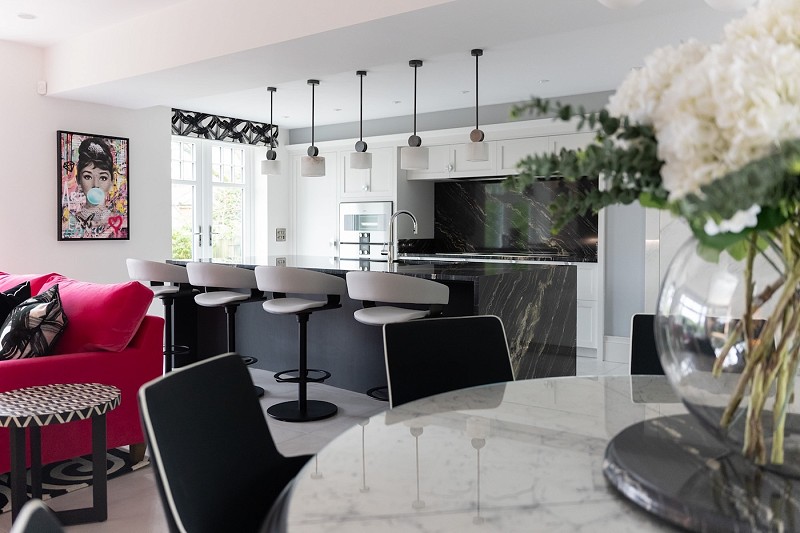
There are moments when you want to use the kitchen without fully engaging with it. Early routines rarely need the entire room, yet many layouts present everything at once - appliances, preparation areas and storage all visually active before the day has properly begun. The result is not clutter, but intensity.
When frequently used elements remain accessible without dominating the space, the atmosphere changes. The room settles because everyday activity has a place to belong, rather than competing for attention across a single surface.

Designed Around Habits, Not Storage
Some parts of a kitchen are used repeatedly and briefly - making coffee, preparing breakfast, putting things away between tasks - yet they are often planned with the same presence as cooking. When these small routines share the main work surface, the room never quite returns to stillness.
Considered cabinetry gives these daily actions a place of their own. A coffee station that can be closed when finished, storage positioned where it is naturally reached for and preparation areas that remain available without being on display allow the kitchen to function continuously without appearing active. The room feels ordered not through effort, but because behaviour has been anticipated.
Movement Without Interruption
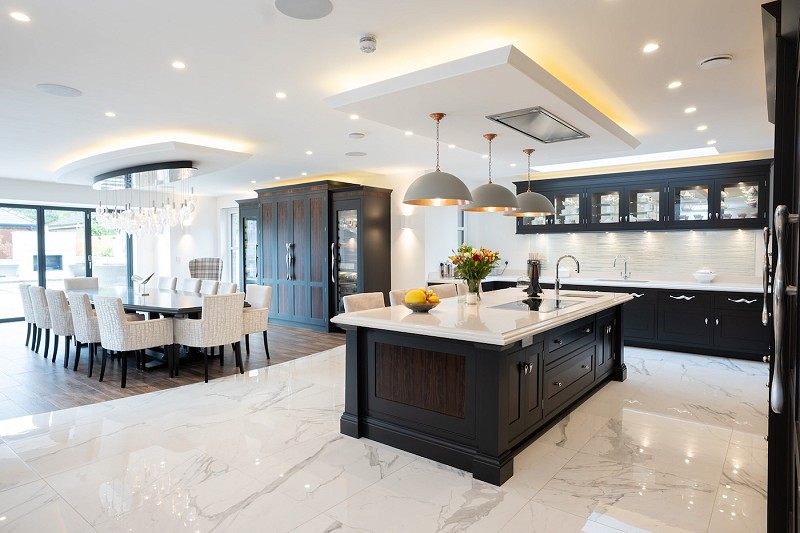
A kitchen rarely feels uncomfortable because it is too small; more often it is because movement overlaps. Someone preparing food, another passing through and others pausing nearby quickly create small negotiations of space, even in generous rooms.
When we plan a bespoke kitchen, flow is considered as carefully as cabinetry. Preparation, circulation and gathering are allowed to exist alongside one another rather than within the same route. The room does not feel larger, simply easier - people move naturally because they no longer need to adjust to the space, or to each other.
Closing Thoughts
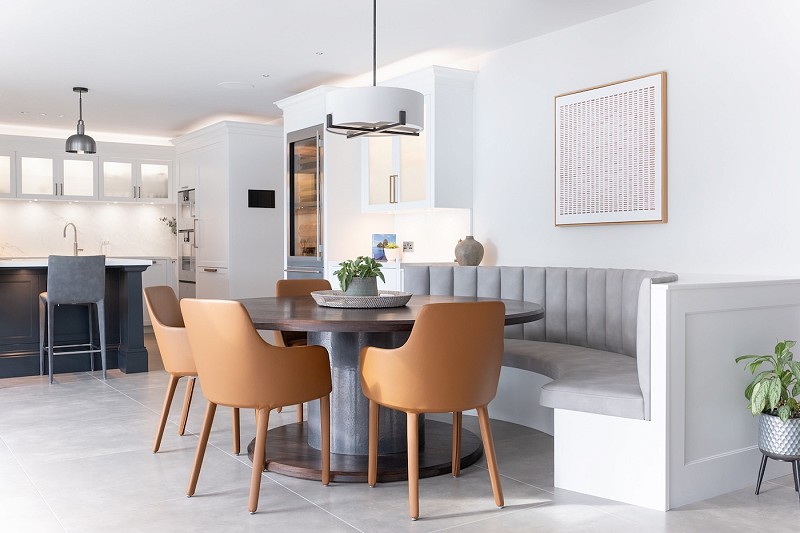
Luxury is often associated with materials, yet comfort over time comes from ease. A well-designed kitchen removes small daily decisions - where to stand, where to set things down, how the room feels at different times of day. When these considerations have been anticipated, the space supports the rhythm of the day rather than interrupting it.
At David Lisle, the intention is not simply to design a kitchen that functions, but one that understands how it will be lived in - from the first moment it is used to the last.
To discuss your project, contact us today.

