
The Future of Kitchens: Trends That Will Shape High-End Homes by 2035
Design rarely changes in sudden leaps. Instead, it evolves quietly, shaped by how people live, what they value and what they begin to leave behind. When we talk about the future of kitchens, we are not attempting to predict what homes will look like in 2035, but to observe the shifts already underway - particularly in high-end residential design.
In many respects, the kitchens of the future are being defined less by what is added, and more by what is gradually falling away.
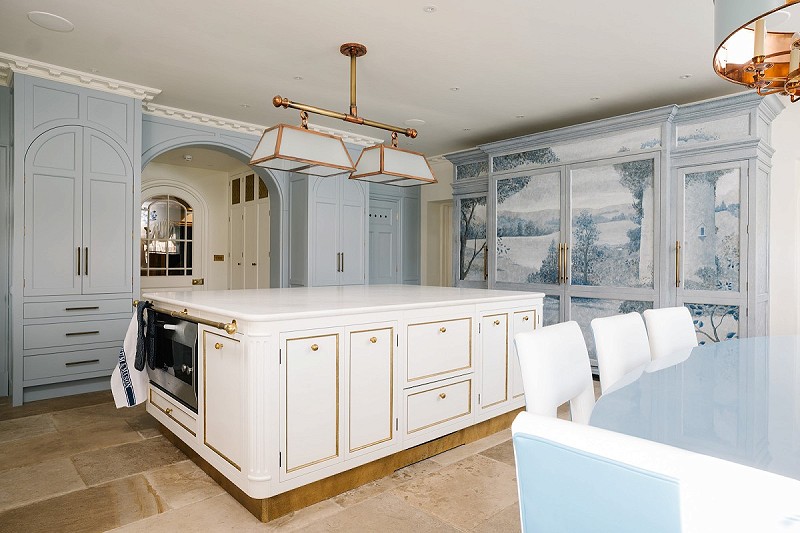
Moving Beyond the “Fitted” Kitchen
For decades, kitchens have been designed around systems. Standardised units, modular layouts and flatpack thinking have dominated the market, prioritising efficiency and convenience over individuality and spatial understanding.
In high-end homes, this approach is steadily losing relevance. There is a growing move away from kitchens that feel installed, towards spaces that feel intrinsic to the home. Rather than designing around cabinetry, layouts are increasingly shaped by the architecture, proportions and flow of the space.
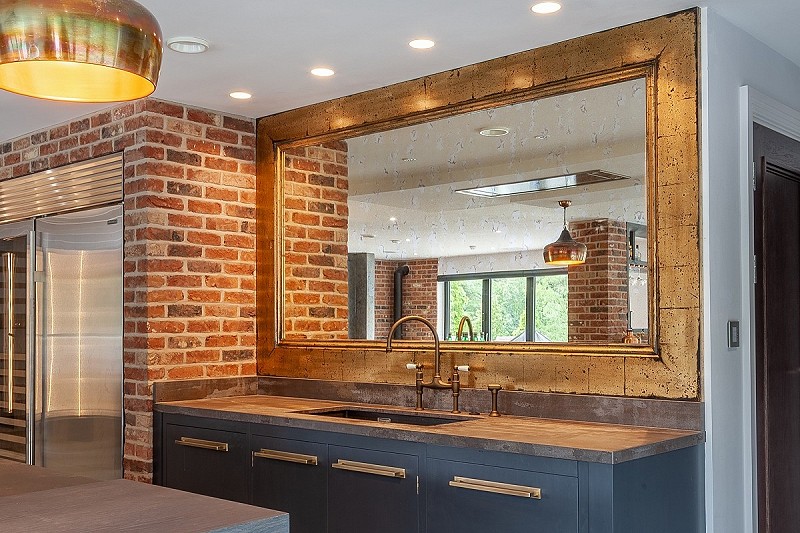
From Feature-Led Design to Thoughtful Restraint
Many recent kitchen trends have been driven by visual impact: statement islands, bold colour contrasts and decorative details designed to draw attention. While these features can be effective in the short term, they often date quickly and dominate a space rather than support it.
Looking ahead, high-end kitchens are moving towards a quieter form of confidence. Design decisions are becoming more restrained, guided by proportion, balance and how a space is used, rather than how it appears at first glance.
In this evolution, luxury becomes less about visible features and more about how effortlessly a kitchen functions and how comfortably it sits within the wider home.

The End of One-Size-Fits-All Living
As homes become more personal, kitchens are following suit. Standard layouts and generic storage solutions are increasingly being replaced by designs that respond to the specific habits and routines of the people who use them.
This shift reflects a broader move away from designing for assumed lifestyles or future resale, and towards creating spaces that support how a household actually lives. Flexibility, adaptability and intuitive organisation are becoming more important than uniformity or convention.
The kitchens of the future will not be defined by a single layout or style, but by how well they adapt over time without needing to be replaced.

Why These Shifts Matter Now
Although 2035 may feel distant, many of the kitchens being designed today will still be in daily use by then. Decisions made now - about layout, structure and design approach - will shape how those spaces perform for years to come.
By moving away from short-term thinking and trend-led choices, homeowners can create kitchens that remain relevant, functional and enjoyable well into the future. Long-term design is not about predicting what will be fashionable, but about what will continue to serve the home and its occupants.

Closing Thoughts
The future of kitchen design in high-end homes is not defined by dramatic change. Instead, it is marked by a gradual return to clarity, restraint and purpose.
If you’d like to discuss your project with us, get in touch today.

