
Designing for the Way You Actually Live
There’s a quiet assumption in many homes that good design begins with a layout. An island here. Tall units there. A familiar arrangement that’s been repeated often enough to feel “right”.
But the reality is, most people don’t live in layouts. They live in routines.
They move through their homes in predictable, imperfect ways - early mornings, busy evenings, slow weekends, spontaneous gatherings. When interiors are designed around generic plans rather than these patterns, even the most beautiful spaces can feel slightly at odds with daily life.
Moving Beyond One-Size-Fits-All Thinking
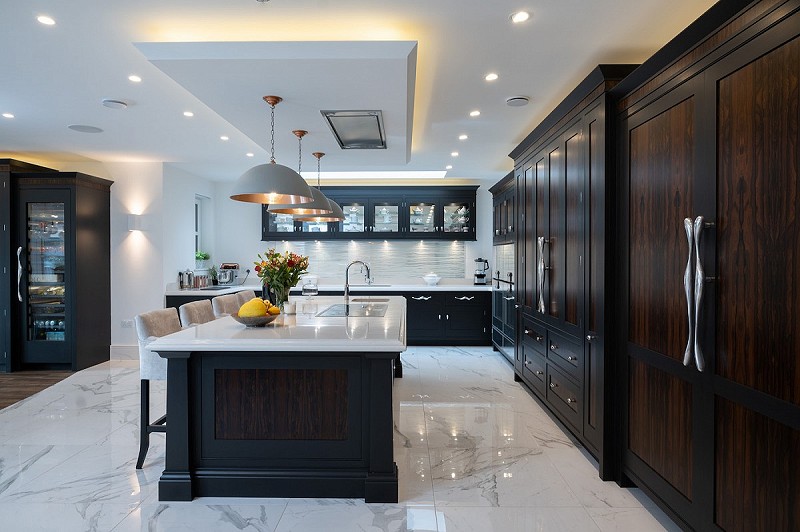
Most kitchens are designed to suit the ‘typical’ home. But when your space, lifestyle and expectations are anything but typical, a standard layout can quickly start to feel limiting.
The problem with one-size-fits-all design is not that it’s poorly made - it’s that it rarely reflects how people actually live. Cupboards fill up quickly. Worktops become cluttered. Spaces feel busy not because they are badly designed, but because they were never designed for the people using them.
Bespoke kitchens and interiors start from a different place entirely. Instead of forcing daily habits into a predetermined structure, the structure is shaped around the habits themselves.
Designing Around Routines, Not Rooms
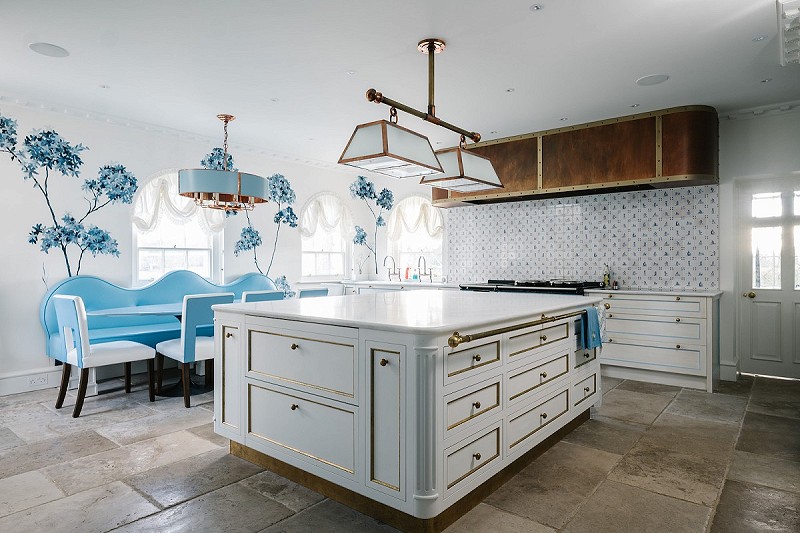
At David Lisle, the starting point isn’t a standard layout - it’s how a home is used throughout the day.
Morning routines that require efficiency rather than theatre. Evenings that balance cooking, conversation and calm. Weekends that invite people in without disrupting the flow of the space. These rhythms inform everything from layout and zoning to storage and proportion.
By designing around routines rather than rooms, spaces become intuitive. Movement feels natural. Storage appears where it’s needed, not where it happens to fit. The kitchen works quietly in the background, supporting daily life without asking to be adapted to.
When Function Is Invisible, Design Is Working
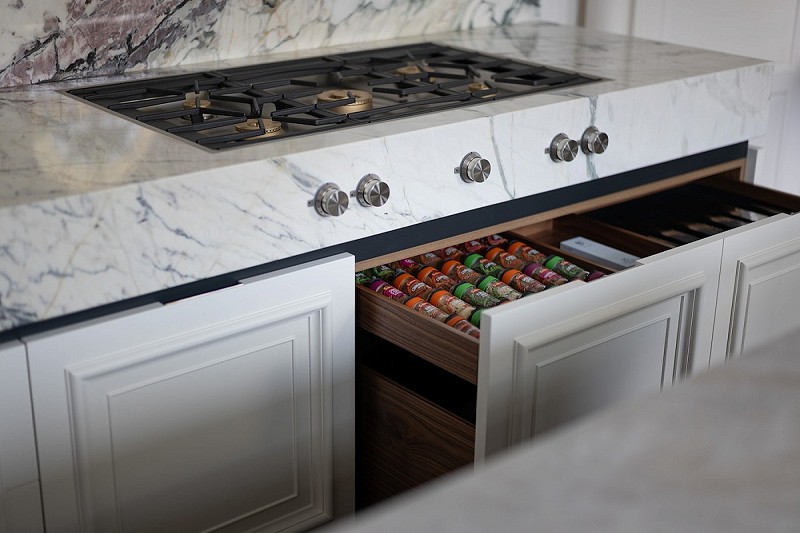
In a well-designed bespoke kitchen, functionality is embedded into the architecture of the space. Cabinetry aligns with the building, storage is integrated rather than added, and complexity is simplified through thoughtful design. Nothing feels imposed. Nothing feels excessive.
This restraint is deliberate. It’s what allows a space to work hard without feeling busy - and to remain relevant as life changes.
Closing Thoughts
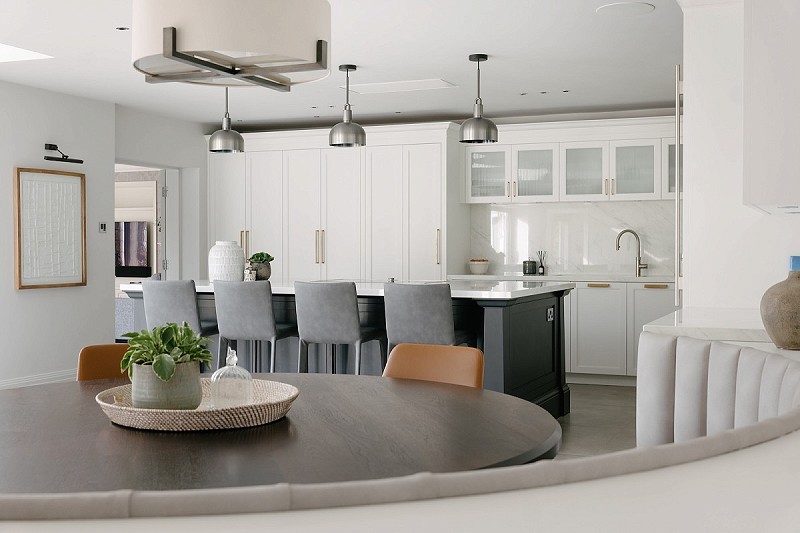
Designing for the way you actually live isn’t about creating a statement. It’s about creating a home that feels effortless to use, day after day.
When interiors are shaped by real behaviour rather than assumptions, they become calmer, more efficient and far more enduring. Bespoke design makes this possible not through excess, but through understanding - of people, of space, and of how the two interact.
Because good design doesn’t ask you to change the way you live. It simply supports it.

