
Kitchen Design Beyond Trends
Trends have their place. They spark ideas, encourage experimentation and reflect how the way we live continues to evolve. But when it comes to designing a kitchen - a space used every day, often for decades - trends alone are rarely enough.
The most successful kitchens are not defined by the year they were designed. They’re defined by how well they continue to work, long after the initial excitement has settled.
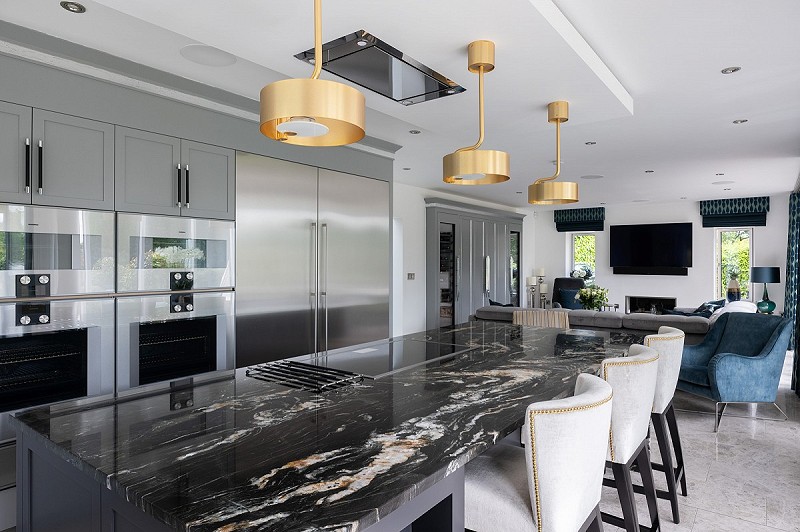
The 15-Year Question
One of the most useful questions to ask during the design process is a simple one: Will this still feel right in 15 years’ time?
Design decisions made in response to trends often rely on context. Colours, finishes and features feel current because they belong to a particular moment. Over time, that context fades. What remains is the space itself - its layout, proportions and relationship to the home around it.

Why Layout Outlasts Style
While finishes can be updated, the layout of a kitchen is far more difficult to change. A poorly considered layout will date faster than any colour choice.
Designing beyond trends means prioritising flow, balance and proportion. How the kitchen connects to adjoining spaces. How people move through it during daily routines. How it supports both quiet moments and busier occasions without feeling compromised.

The Value of Restraint
Over-specified kitchens often feel impressive initially, but they can quickly become visually and practically overwhelming. Bespoke design, when approached with restraint, allows complexity to be simplified rather than layered on.
This doesn’t mean stripping a kitchen back to the bare minimum. It means making confident, deliberate choices - and knowing when to leave space for the architecture, materials and proportions to speak for themselves.
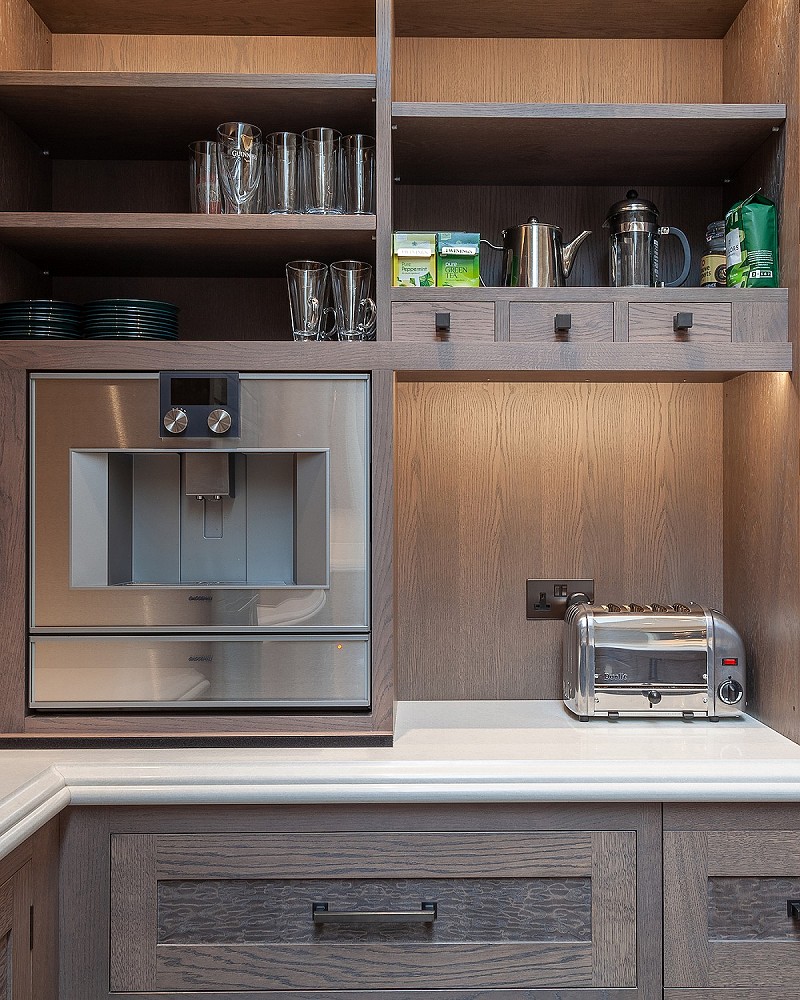
Materials That Age Gracefully
Materials play a significant role in how a kitchen evolves over time. Some finishes are designed to look perfect one day, but show their age quickly. Others develop character through use, becoming more appealing as they settle into the home.
Choosing materials for longevity is less about chasing what’s current and more about understanding how they will wear, respond to light and interact with the space over years of use. When materials are selected with this in mind, ageing becomes part of the design rather than something to be corrected.
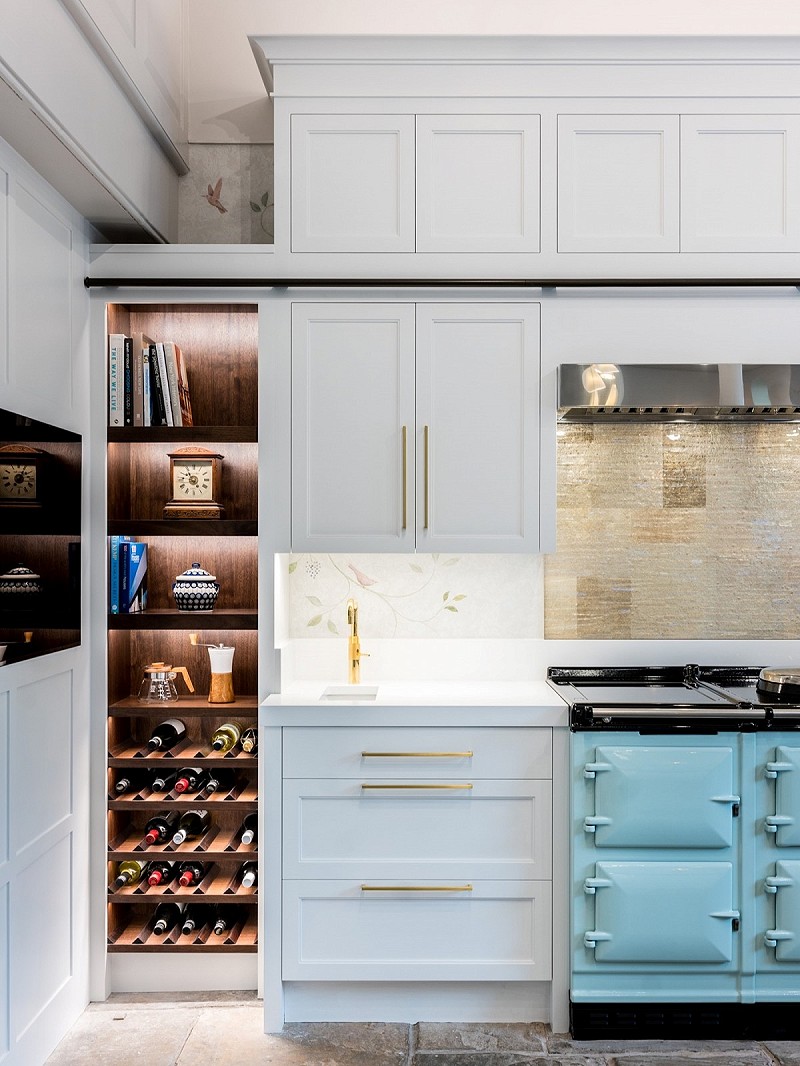
Closing Thoughts
Designing beyond trends is ultimately about judgement - knowing which ideas will endure and which will feel tied to a moment in time.
A kitchen that still feels right in 15 years isn’t one that avoids change entirely. It’s one that’s grounded in thoughtful layout, considered proportions and a calm confidence in its design. These are the elements that remain relevant, regardless of how tastes evolve.

