
Layered Textures: Adding Depth to Kitchen Interiors
Kitchens have become so much more than just places to cook - they’re now often the heart of the home. As design has evolved, there’s been a real shift in how we think about materials, finishes and how they work together. One of the most effective (and often overlooked) ways to add character and depth to a kitchen is by layering different textures.
A gentle contrast between rough and smooth, warm and cool, matte and polished can completely change the atmosphere of a space - not just in how it looks but how it feels to be in. In this blog, we’re looking at how thoughtful combinations of materials like wood, metal and stone can create kitchens with real personality and lasting appeal.

Material Relationships: Contrast with Purpose
Wood, metal and stone all bring something different to a kitchen - but it’s how they work together that really brings the space to life. A brushed metal tap against a stone worktop adds a crisp edge. Timber, with its natural grain and warmth, brings a sense of comfort and tactility that balances harder materials.
Layering textures isn’t about ticking boxes or adding finishes for the sake of it. It’s about creating a conversation between surfaces - where one material sets the mood and another adds contrast or depth. Think of polished metal alongside hard-planed oak or cool stone grounding a mix of warmer, natural tones.
When chosen thoughtfully, these materials don’t compete - they complement each other. And it’s that kind of subtle contrast that takes a kitchen from something standard to something really special.
Creating Contrast Without Chaos
Layering texture doesn’t mean throwing more materials into the mix - it’s about making intentional choices. The most successful combinations create contrast, yes but they also feel balanced.
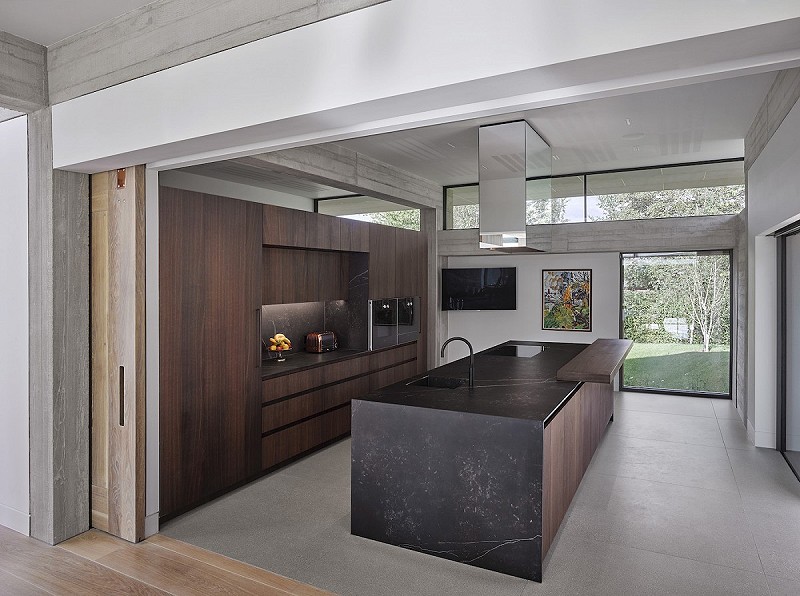
For example, warm timber cabinetry might sit alongside a cool stone worktop, with touches of dark bronze in the handles to tie it all together. The contrast comes through in the textures and tones, not from competing styles. If every material tries to stand out, the space can quickly feel busy or disjointed. But when one element leads - like a striking stone island - the others can quietly support it, adding depth without overwhelming the room.
From Architecture to Detail: A Joined-Up Approach
For architects and design-led homeowners, materials shouldn’t exist in isolation - they should reflect the structure and story of the home.
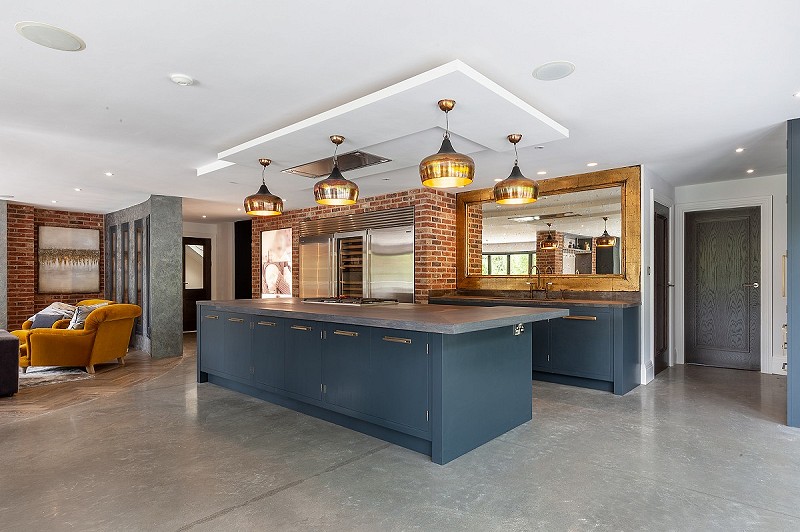
In a listed property, that might mean echoing original features with lime washed oak or exposed stone. In a contemporary new-build, it could be about tying in sharp metal detailing or poured concrete that reflects the home’s architecture. This kind of joined-up thinking helps create a sense of flow - a feeling that everything belongs, from the exterior through to the heart of the kitchen.

Making it Personal
Layering isn’t just a design technique - it’s a way to express personal style.
Some people are drawn to the warmth of rustic materials, choosing to highlight wood grain, handmade tiles or textured stone. Others lean towards a more contemporary look, with smooth concrete, matte metal and clean, minimal lines. Either way, texture becomes part of the kitchen’s character - a quiet reflection of the people who use the space every day.
It’s also what makes bespoke design feel truly individual. Two kitchens might use the same materials on paper but the way those elements are layered - in tone, balance and finish - can lead to completely different results.
Closing Thoughts
At David Lisle, we specialise in creating bespoke kitchens where every material choice has purpose and meaning. We work closely with clients, architects and designers to ensure each kitchen reflects the home it belongs to - and the people who live in it. If you’re looking to craft a kitchen with lasting character and layered beauty, we’d love to bring your vision to life.

